Key Takeaways:
- Sourcing automation accelerates the hiring process, reducing time-to-hire by up to 40%.
- AI-driven tools enhance candidate quality and improve the overall recruitment experience.
- Adoption of AI in recruitment is on the rise, with 67% of HR leaders prioritizing its integration.
Table of Contents:
- Introduction
- The Rise of AI in Recruitment
- Benefits of Sourcing Automation
- Challenges and Considerations
- Real-World Examples
- Future Trends
- Conclusion
Introduction
Recruitment in the digital age is evolving rapidly. Businesses are increasingly relying on technology to overcome hiring bottlenecks, with sourcing automation tools at the forefront of this transformation. By leveraging artificial intelligence (AI) and automation, talent acquisition teams are identifying top candidates more quickly, thereby enhancing both efficiency and outcomes. The strategic adoption of sourcing automation software has become a priority for organizations seeking to remain competitive in today’s job market.
As hiring managers face mounting pressure to fill roles quickly, the ability to automate initial sourcing stages not only reduces administrative burden but also enables more strategic, data-centric decision-making. Automation platforms sift through massive amounts of candidate data, surfacing high-potential prospects and even engaging passive candidates with tailored outreach. These innovations are revolutionizing the talent hunt, enabling organizations to build better teams with less manual effort.
Alongside increased hiring velocity, companies adopting sourcing automation software are finding that technology significantly widens the talent pool—particularly when it comes to discovering candidates who weren’t actively applying but are nonetheless a perfect fit. The ability to engage these passive job seekers is essential for building resilient and future-facing teams.
With the recruitment landscape in flux, what does the rise of automation and AI mean for the future of work? Below, we dive into the progression, benefits, challenges, and real-world impact of sourcing automation.
The Rise of AI in Recruitment
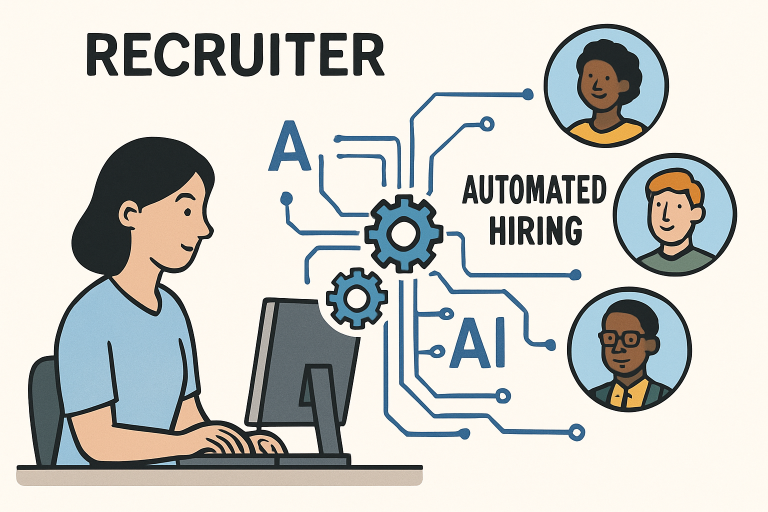
Artificial intelligence is now an integral component of modern recruiting. According to a report by Workday, 67% of HR leaders consider increased AI adoption the top talent acquisition trend heading into 2025. As the number of job applications continues to rise and candidate data multiplies, AI streamlines the sourcing process, automating candidate screening, skill matching, and even communications. These steps once consumed hours of a recruiter’s time.
This technology shift is fundamentally changing the recruiter’s role—from gatekeeper to strategic consultant. AI-powered engines proactively analyze resumes, social media profiles, portfolios, and more, delivering shortlists of candidates who are matched both to company needs and cultural fit. Recruiters can then focus their energy on meaningful conversations and building authentic relationships with top talent.
Benefits of Sourcing Automation
- Reduced Time-to-Hire: AI-driven sourcing tools can compress the hiring cycle by up to 40%, enabling businesses to fill critical positions more quickly and minimize lost productivity. According to research cited by Forbes, automation has measurably sped up hiring in organizations of all sizes.
- Enhanced Candidate Quality:Automated systems parse vast volumes of data to match individuals’ skills with specific role requirements, thereby increasing the quality of interviews and final hires.
- Improved Candidate Experience:Automation ensures every applicant receives timely feedback, status updates, and personalized communication, turning even unsuccessful candidates into brand advocates.
- Elevated Diversity and Inclusion:Sourcing automation can be configured to help identify a broader, more diverse range of candidates, thereby addressing bias and expanding opportunities for all groups.
Challenges and Considerations
- Algorithmic Bias: If not carefully managed, AI tools can reinforce patterns of historical bias present in the data, potentially affecting fair hiring practices. Regular auditing and algorithm transparency are crucial for mitigating these risks and ensuring equity throughout the sourcing process.
- Systems Integration: Seamlessly integrating automation tools with existing HR software is a complex and resource-intensive process, demanding careful planning and effective change management.
- Data Security: Handling sensitive candidate data comes with compliance requirements and privacy considerations. Robust security protocols must remain core priorities to protect both the company’s and the candidate’s interests.
Real-World Examples
Companies across industries are seeing remarkable outcomes from their investments in sourcing automation. For instance, Foundever, a leading customer experience provider, implemented AI-driven recruitment and achieved an impressive 95% candidate satisfaction rating from over 200,000 applicants in just six months. This technology accelerated hiring while also ensuring that communication remained highly personalized and timely.
Workday, a leading HR technology company, uses its own AI sourcing suite to scan thousands of professional profiles instantly and craft tailored outreach messages to engage passive candidates. This helps the company consistently identify the right talent, even when those individuals aren’t actively seeking a new opportunity.
Even legacy corporations are following suit. Unilever, for example, has utilized AI-powered assessment technology to streamline the initial screening process, resulting in a significant reduction in time spent on early-stage interviews and an increase in candidate diversity.
Future Trends
- Skill-Based Hiring: The focus is increasingly shifting from degree requirements to core skills and tangible competencies. This approach, enabled by automation, broadens the pool to include underrepresented yet highly qualified candidates with nontraditional backgrounds.
- Diversity by Design: Modern sourcing automation platforms are being developed to actively reduce bias and promote fair hiring practices through anonymized screening and broader candidate search criteria.
- Predictive Analytics: AI-driven predictive modeling allows recruiters and HR leaders to anticipate workforce needs, forecast attrition, and plan talent pipelines more strategically than ever before.
Conclusion
Sourcing automation is fundamentally reshaping how organizations attract, assess, and engage top talent. By harnessing AI’s speed and intelligence, companies are not only hiring faster—they’re building teams that are more skilled, diverse, and prepared for future challenges. While it is essential to address the inherent risks of automation, those who embrace these technologies are poised to lead in tomorrow’s competitive talent market.