Introduction: More Than Just a Water Festival
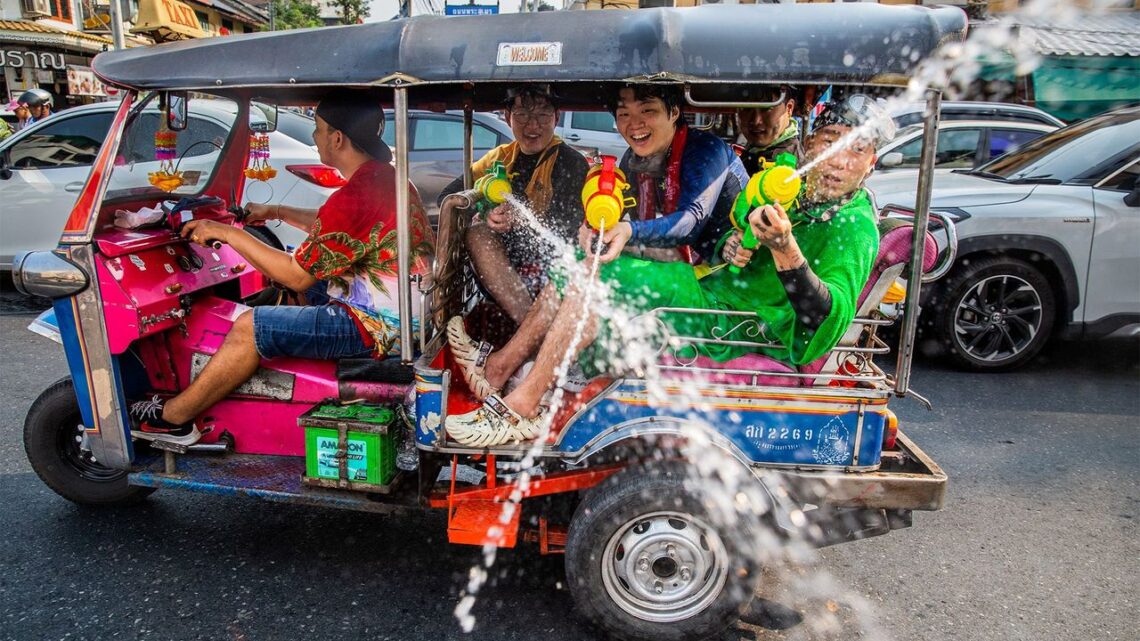
Every year in Thailand, streets transform into lively rivers of laughter, celebration, and splashing water during the famous Songkran. At first glance, the event may appear to be a playful national water fight where people spray each other with buckets, hoses, and water guns. However, beneath the joyful chaos lies a deep cultural history filled with symbolism, social meaning, and evolving traditions.
While modern celebrations focus heavily on fun and tourism, the origins of the festival reveal a much more complex social story. In earlier centuries, the act of pouring water carried powerful meanings connected to purity, respect, and even social status. Over time, certain rituals within the festival began to reflect prestige, wealth, and influence within Thai society.
Understanding how water splashing during Songkran became associated with status requires a journey through history, culture, and tradition. What started as a spiritual cleansing ritual gradually developed into a social practice that Songkran Splash symbolized honor, respect, and prestige within communities.
Ancient Roots of Songkran
The festival traces its origins back many centuries to traditional New Year celebrations influenced by ancient Indian and Southeast Asian cultures. The word “Songkran” itself comes from a Sanskrit term meaning “movement” or “transition,” referring to the sun’s movement into a new zodiac position.
Historically, the festival marked the beginning of the traditional Thai New Year. Rather than the loud street celebrations seen today, early Songkran ceremonies were quiet, respectful, and spiritual. Families gathered at temples, offered food to monks, and cleaned their homes to welcome the new year with purity and good fortune.
One of the most meaningful rituals involved gently pouring scented water over Buddha statues and over the hands of elders. This practice symbolized washing away bad luck and welcoming blessings for the year ahead. The water was often infused with flowers such as jasmine, adding fragrance and sacred meaning to the ritual.
In those early days, water was not thrown casually. It was offered respectfully and carefully, showing humility and reverence. The way water was used during the festival reflected the cultural values of respect, hierarchy, and family honor that shaped Thai society.
Water as a Symbol of Respect and Honor
In traditional Thai culture, respect for elders and spiritual figures is extremely important. During early Songkran celebrations, younger people would pour small amounts of water onto the hands of older relatives as a gesture of gratitude and respect. This ritual is often referred to as “Rod Nam Dam Hua,” a ceremony in which elders offer blessings in return.
The act itself was simple, but its meaning was powerful. Pouring water symbolized humility and recognition of social hierarchy. Younger generations acknowledged the wisdom and authority of their elders through this ritual.
Because of its symbolic importance, participation in these ceremonies was often linked with family prestige. Prominent families hosted elaborate gatherings where respected elders and community leaders were invited to receive blessings. These gatherings reinforced social relationships and highlighted the influence of certain households within the community.
The more respected the family, the larger and more significant their Songkran ceremonies tended to be. Over time, this connection between ritual participation and social standing helped transform the festival into a reflection of prestige and honor.
Royal Influence and Elite Celebrations
The connection between Songkran and social status became even stronger when royal courts began celebrating the festival with elaborate ceremonies. Historically, members of the Thai royal family participated in sacred rituals involving water purification and blessings.
Royal Songkran ceremonies were highly formal events filled with traditional music, temple offerings, and carefully organized rituals. Water used during these ceremonies was often perfumed and prepared with special ingredients, emphasizing its sacred nature.
For nobles and high-ranking officials, participation in royal celebrations became a sign of prestige and recognition. Being invited to such events demonstrated one’s importance within the social hierarchy.
This royal influence gradually shaped how ordinary people viewed the festival. Communities began to imitate aspects of elite celebrations, introducing more decorative water containers, ceremonial clothing, and formal gatherings. These elements subtly transformed Songkran from a purely spiritual ritual into a cultural event where prestige and status could be displayed.
The Evolution of Public Celebrations
As society changed over the centuries, Songkran celebrations gradually expanded beyond temples and family homes. Communities began organizing larger public gatherings where neighbors celebrated together.
During this period, water splashing became more playful and energetic. Instead of gently pouring water in ceremonial settings, people began throwing water in the streets as a symbol of shared joy and renewal.
Despite this shift toward entertainment, traces of the festival’s connection to status remained. In many towns, influential families and local leaders sponsored major celebrations. They provided food, music, decorations, and public festivities for the entire community.
Sponsoring such events allowed wealthy individuals to demonstrate generosity and leadership. Just as hosting a large banquet once signaled prestige, organizing major Songkran celebrations became a way for influential figures to strengthen their reputation within society.
The festival thus continued to reflect social relationships, even as its atmosphere became more festive and inclusive.
Tourism and Modern Prestige
In recent decades, the global popularity of Songkran has introduced a new form of prestige connected to tourism and international attention. Major cities in Thailand now host massive celebrations that attract visitors from around the world.
Hotels, resorts, and luxury venues organize exclusive Songkran events featuring live music, elaborate decorations, and high-end experiences. Attending these exclusive celebrations has become a modern symbol of status, especially among wealthy travelers and social influencers.
In places like Bangkok and Chiang Mai, certain parties and events are known for attracting celebrities, business leaders, and international tourists. Participation in these celebrations can carry a sense of exclusivity and prestige.
Although these modern events differ from traditional rituals, they continue the historical pattern of linking Songkran with social recognition and cultural influence.
Cultural Identity and National Pride
Another reason Songkran carries prestige is its importance as a symbol of national identity. For many Thai people, the festival represents cultural pride, tradition, and unity.
Participating in Songkran celebrations—whether through temple visits, family gatherings, or public festivities—connects individuals with centuries of heritage. In this sense, involvement in traditional ceremonies can reflect respect for cultural values and historical identity.
Cultural pride itself can become a form of prestige. Communities that preserve traditional rituals often gain recognition for protecting national heritage. Temples, cultural organizations, and local communities that maintain authentic celebrations are often admired for their dedication to tradition.
This respect reinforces the idea that Songkran is not just entertainment but an important cultural symbol with deep historical meaning.
The Symbolic Power of Water
At the heart of Songkran lies the symbolism of water itself. Across many cultures, water represents cleansing, renewal, and life. In the context of the festival, water washes away misfortune and prepares people for a fresh beginning.
Because of this symbolism, water rituals have always carried emotional and spiritual significance. When combined with social traditions, these rituals naturally developed connections with honor, respect, and status.
From gentle blessings offered to elders to elaborate public celebrations sponsored by influential families, the act of sharing water has long served as a way to express relationships within society.
Even today, when water guns and street parties dominate the festival, the deeper meaning remains present beneath the excitement.
Conclusion: A Festival Where Joy Meets Tradition
The vibrant splashing seen during Songkran celebrations today may look like simple fun, but the tradition carries centuries of cultural meaning. What began as a spiritual cleansing ritual slowly evolved into a social practice that reflected respect, prestige, and community identity.
Throughout history, the festival has connected families, reinforced social relationships, and allowed individuals and communities to express generosity and leadership. Royal ceremonies, elite gatherings, and modern tourism events have all contributed to the festival’s association with status and recognition.
Yet despite these evolving layers of prestige, the heart of Songkran remains the same. It is a celebration of renewal, gratitude, and shared happiness. The water that fills the streets each year symbolizes not only joy but also a deep cultural legacy that continues to unite generations.
In this way, Songkran stands as a powerful reminder that traditions can carry both playful energy and profound historical meaning at the same time.