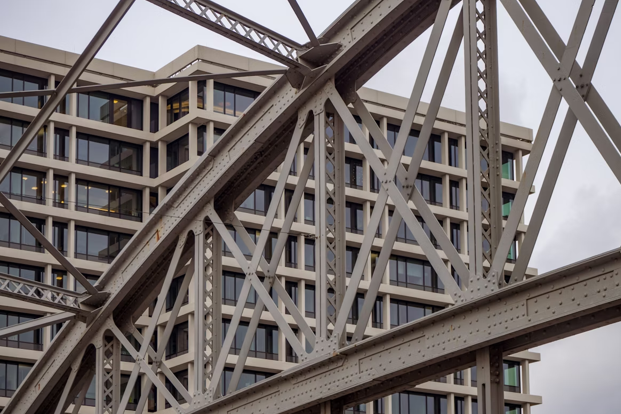
Cheap, efficient, and built to last for ages, these three materials – wood, concrete, and steel – seem to be going head-to-head in just about every building discussion, but let’s address the real question: which truly stands in good stead in a modern world that is all about speed? Nods should be directed toward steel. If so, you are getting it correctly.
Innovative large-scale steel building designs are changing every aspect of construction in the United States, from warehouses to offices. Let’s explore why steel continues to emerge as the champion again and again.
1. Strength That Stands the Test of Time
Ever been worried about your building standing up to storms, heavy loads of snow, and even earthquakes? In the case of wooden structures, rot or termite attacks are ever-present challenges. Concrete, while strong, can crack with temperature changes.
On the other side, steel is designed for strength. It has an unmatched strength-to-weight ratio; this means it can withstand extreme weather and still be lighter and easier to work with. This is the reason you will find steel in skyscrapers, stadiums, and mega agricultural facilities.
Would you like to keep patching cracks in concrete every few years, or would you relish a structure standing firm for decades? Of course, the latter one.
2. Speed and Efficiency in Construction
Construction delays can be frustrating (and costly) if you have ever faced this problem. Traditional wood framing involves cutting, fitting, and making adjustments on-site. Concrete has long curing times.
Steel buildings are instead pre-engineered, prefabricated, and ready for assembly on-site. Less waste, fewer surprises, and short timelines. In the context of businesses and communities scattered throughout the States, speed represents savings and quick returns.
3. Design Flexibility for the Future
This is where it really pays off to have an idea of innovative large-scale steel building designs. Steel is capable of spanning much larger distances than wood or concrete without interior columns. You could, for example, fit wide-open warehouse areas, arena roofs, or modern office layouts into it without much difficulty.
Steel is also very versatile; if you want to expand in two to three years from now, you can do so. Just modify or extend it, and it will be done in no time. Do that with concrete, and you run into more limitations.
4. Sustainability and Cost Savings
More people in America have looked into environmentally friendly building options, and steel happens to fit that conversation quite well. Did you know steel is the most recycled material in the world? So, you’re not just building strong – you’re building sustainably.
Apart from that, steel structures can be energy-efficient since they maintain temperature better, cutting heating and cooling costs year-round, with notches in proper insulation. That adds up to a lot over time.
Conclusion
Wood may seem traditional, concrete may appear sturdy, but steel beats both in durability, efficiency, and flexibility, regardless. Whether it is warehouse structures, industrial production facilities, or even modern churches, steel building designs make for a smart choice for America’s future.
Next time you visit a stadium or a tall commercial building, stop and take a look around. Chances are, steel is holding it all together. Wouldn’t that give you confidence in your next great undertaking?