Key Takeaways
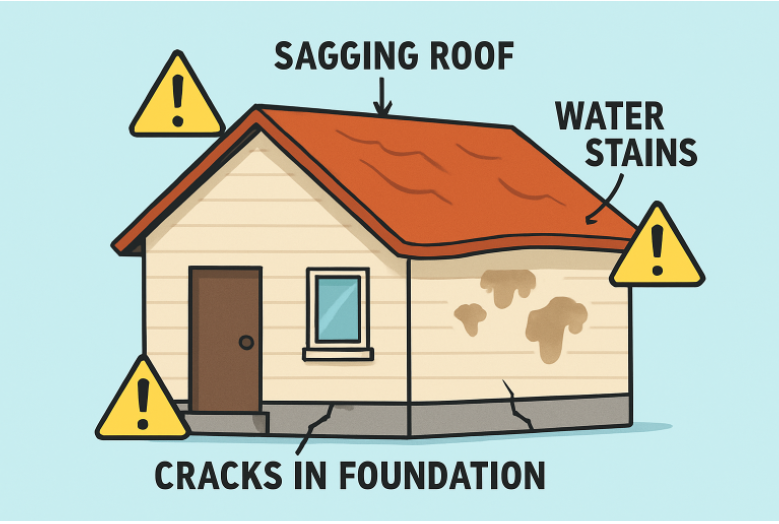
- Look for cracks in the foundation, uneven floors, and gaps around windows or doors.
- Check for musty odors or water stains as potential signs of water damage or mold.
- Evaluate the roof and HVAC system; repairs or replacements can be expensive.
- Assess neighborhood conditions and research proposed developments or zoning changes.
- Always verify that any recent renovations are permitted and up to code.
Buying a home can be both exciting and daunting. Whether you’re a first-time buyer or looking to upgrade, the process comes with a level of risk that every cautious buyer should navigate carefully. Spotting warning signs early will not only keep your finances safe but will also help ensure your new house becomes the comfortable home you envision. While you search for your next property, being aware of red flags is essential—especially for those exploring homes for sale in Charlotte, NC, where the market can move quickly and competition is high.
A property may look attractive at first glance, but hidden problems can lurk beyond a fresh coat of paint or staged rooms. From structural issues to environmental factors, knowing what to look for could save you from unexpected repairs or even dangerous living conditions. It’s crucial to examine homes with a discerning eye to make a confident, informed purchase.
Red flags aren’t always obvious. Sellers might cover up defects with cosmetic improvements or rush renovations to make the house appear move-in ready. As a buyer, educating yourself on warning signs—including those that indicate deeper underlying problems—can help you avoid costly mistakes and negotiate better deals.
Structural Concerns
The bones of a house are its most important feature, yet often the most neglected in quick inspection tours. Pay close attention to any visible cracks in the foundation, sloping or uneven floors, and ill-fitting doors or windows. These may indicate subsidence or shifting that could render the property unsafe or cost thousands to fix. Foundational repairs can be complex, sometimes invasive, and not always a permanent fix if underlying issues aren’t adequately addressed. Don’t be afraid to ask the seller for documentation of any prior repairs or inspections of the structure.
Water Damage and Mold
Persistent moisture can cause severe problems, including rotting wood, weakened foundations, and health risks from mold. During your walk-through, use your nose; a musty or damp smell is often the first indicator of water intrusion. Look closely for stains or warping on ceilings, walls, and floors, especially in basements and bathrooms. According to WebMD, black mold spots along baseboards or around sinks are particularly concerning because they pose serious health risks and require careful remediation. For more on identifying hidden water damage before it’s too late, Consumer Reports offers a helpful guide.
Roof and HVAC System Condition
A roof that’s nearing the end of its life or an outdated HVAC unit can both be budget-busting surprises for a new homeowner. Visible sagging, missing shingles, or signs of leaks in the attic all indicate potential trouble above. Ask about the age and maintenance of the HVAC system, since older units not only perform inefficiently but also may require replacement sooner than you’d like—at an average cost of up to $7,500 for a new system. Request recent inspection reports, receipts for repairs, and clarification on remaining warranties to gauge the true costs for these essential elements.
Neighborhood and Environmental Factors
Beyond the house itself, its surroundings matter greatly for your comfort and future value. Make several visits at different times of day to observe noise from nearby roads, railways, or airports. Check local planning websites or speak with neighbors about significant upcoming developments, as new construction or commercial zoning changes could affect traffic, the environment, and property values.
Quality of Renovations
Recently remodeled homes can be enticing, but not all renovations are done with care or compliance. Be cautious when upgrades appear hastily completed or lack documentation, such as electrical, plumbing, or structural changes without the appropriate permits. Poor workmanship can conceal code violations, shortcut repairs, or mask previous damage. Request building permits and inspection reports to ensure all work was performed to standard and in accordance with local laws.
Pest Infestations
Pests like termites, rodents, and carpenter ants can quietly cause significant damage behind walls before you even notice. Keep an eye out for signs such as droppings, chewed wood, small holes, or hollow-sounding beams. These problems aren’t just annoying; they can compromise the structural integrity of your home and lead to costly repairs, according to the New York Post, which highlights a homeowner’s warning about the challenges of buying a house in the woods. To avoid unpleasant surprises, arrange for a professional pest inspection before closing, even if the house looks clean at first glance. Regular maintenance and vigilance are key to preventing infestations from taking hold. Addressing small issues early can save thousands in repairs and help maintain a safe, comfortable home environment.
Incomplete or Questionable Renovations
Repeated, unexplained updates or a mismatch between visual improvements and overall house maintenance often signal red flags. Cosmetic fixes, like fresh paint or new flooring, may have been used to hide more serious problems. Always compare the seller’s claims about renovations with city records and permit filings. If documentation is missing or doesn’t line up with what you see, proceed with caution and negotiate for additional inspections.
Conclusion
Deciding to purchase a new home is a significant step—one that should always be taken with awareness and preparedness. By staying alert for red flags like structural problems, water damage, environmental issues, and questionable renovations, you can safeguard your investment and future peace of mind. Work closely with trusted professionals, always request documentation, and never hesitate to walk away if the risks outweigh the rewards. With scrutiny and informed decision-making, you’ll increase the likelihood of finding a home that truly meets your needs and aspirations.