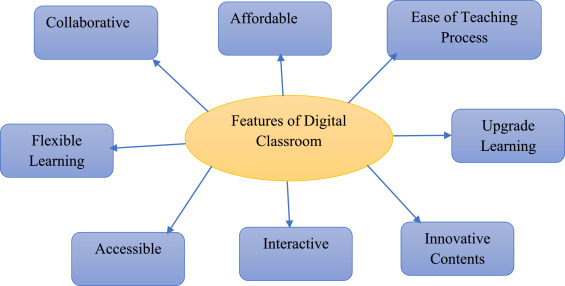
Walk into any thriving business, and you’ll find a carefully curated technology stack powering everything from customer relationships to financial operations. Yet many school institutions tasked with preparing students for a digital future are still operating with disconnected, outdated tools that create more problems than they solve. Building the right educational technology stack isn’t about buying every shiny new product; it’s about strategic integration of systems that work together to enhance learning, streamline operations, and support institutional goals.
The Foundation: Student Information System
Every school’s tech stack must start with a robust student information system software that serves as the central hub for all student data. This isn’t just a digital filing cabinet—it’s the operational backbone of your institution.
A comprehensive SIS manages enrollment, schedules, grades, transcripts, attendance, discipline records, and health information in one secure platform. When implemented properly, it eliminates duplicate data entry, ensures information consistency, and provides the single source of truth every department needs.
The key is choosing a system designed for your specific educational level and needs. K-12 requirements differ significantly from higher education, and a platform built for one rarely serves the other well.
Essential Layer 2: Learning Management System
The LMS software has evolved from a pandemic necessity to a permanent fixture in modern education. These platforms extend learning beyond classroom walls, enabling blended and fully online instruction while providing tools for collaboration, assessment, and feedback.
Quality LMS platforms offer assignment distribution and collection, grading and feedback tools, discussion forums, multimedia content hosting, and assessment creation. The best systems integrate seamlessly with your SIS, automatically syncing rosters and transferring grades without manual intervention.
For schools committed to personalized learning, LMS analytics reveal how students engage with content, which concepts cause struggles, and where additional support is needed—insights impossible to gather from traditional instruction alone.
Communication and Engagement Tools
Parent and student engagement directly impacts academic outcomes, making communication platforms essential infrastructure. Modern schools need multi-channel solutions that reach families through their preferred methods mobile apps, SMS, email, and web portals.
These platforms should handle emergency notifications, routine updates, absence reporting, grade access, assignment reminders, and two-way messaging between teachers and families. The communication system should integrate with your SIS and LMS, automatically pulling relevant information rather than requiring manual updates across multiple platforms.
Administrative Efficiency: HR and Finance Systems
Schools are businesses with complex operational needs. An hr management system software designed for education handles unique requirements like certification tracking, professional development credits, substitute management, and complex benefit structures.
Similarly, specialized finance management software must handle fund accounting, grant restrictions, purchase orders, budget controls, and audit trails that general business software isn’t designed to manage. These systems should integrate with your SIS for seamless student billing and payment processing.
Attendance and Access Control
Manual attendance wastes instructional time and creates data accuracy problems. A biometric attendance system or card-based solution automates tracking while enhancing campus security. These systems should feed data directly into your SIS and trigger automated parent notifications about absences.
Beyond attendance, access control systems enhance campus safety by managing who can enter buildings and when, creating audit trails that are increasingly important for security and compliance.
Data Visualization and Decision Support
Individual systems generate vast amounts of data, but data without insight is just noise. Comprehensive dashboard for schools aggregates information from across your tech stack, presenting it in visual, intuitive formats that support decision-making.
Effective dashboards provide real-time snapshots of key performance indicators: enrollment trends, financial health, academic performance, attendance patterns, and operational efficiency. Different stakeholder groups need different views—what’s valuable for the superintendent differs from what teachers or department heads require.
Integration: The Make-or-Break Factor
The most sophisticated individual systems fail if they don’t work together. A modern school tech stack must be integrated, with data flowing seamlessly between platforms without duplicate entry or manual syncing.
This requires planning. Before purchasing any new system, understand how it will connect with existing tools. Application Programming Interfaces (APIs), Single Sign-On (SSO) capabilities, and data interoperability standards aren’t technical nice-to-haves—they’re essential requirements.
Conclusion
Building the right technology stack is a journey, not a destination. Schools don’t need to implement everything simultaneously, but they do need a strategic roadmap that prevents investing in disconnected tools that create future integration nightmares. The institutions thriving in the digital age aren’t those with the most technology—they’re those with the right technology, thoughtfully integrated to enhance education while streamlining operations. Your tech stack should work for you, not the other way around.