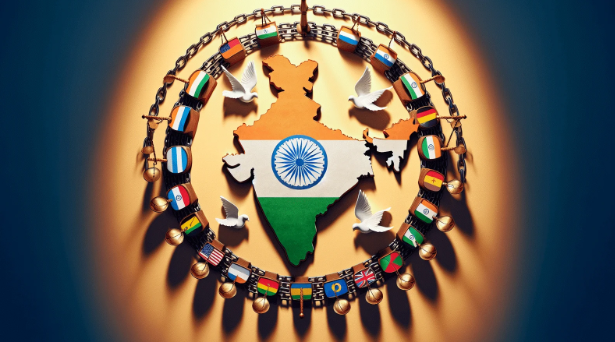
India stands as one of the most influential countries in the world, and it keeps expanding its impact across global markets, culture, technology, and geopolitics. Furthermore, India combines ancient civilization with modern growth. As a result, it attracts massive global attention, business interest, and cultural admiration. Many analysts call India a rising superpower because its demographic strength, digital revolution, and growing economy shape future global trends. Moreover, India’s strategic position in Asia strengthens its status. This article explores India through multiple dimensions to understand why it remains a defining force for the future.
India Overview and Global Significance
India represents the world’s largest democracy and one of the most diverse nations. Although diversity sometimes creates challenges, the country also benefits from cultural richness. Consequently, this diversity supports innovation, creativity, and economic opportunities. India occupies a leading position in technology, services, and manufacturing. Also, India’s global partnerships keep expanding as more nations depend on Indian expertise, consumer power, and trade. Therefore, India stands as a key driver in shaping the global economy.
The Historical Evolution of India
India’s history stretches beyond recorded civilizations. Consequently, it contributed rich scientific, cultural, and philosophical knowledge. Many dynasties, merchants, scholars, and rulers transformed the nation’s timeline. Despite numerous invasions and political disruptions, India continuously developed intellectually and economically. Eventually, the nation emerged stronger because every era contributed new skills, languages, and ideas. India’s transformation reflects resilience and long-term strategic thinking.
Economic Transformation in India
India’s economy continues growing rapidly due to innovation, entrepreneurship, and digital growth. Businesses across software, manufacturing, and services thrive. Therefore, India attracts investors, multinational companies, and startups. The nation’s young population strengthens productivity. Additionally, government reforms, digital adoption, and infrastructure development push the economic wheel faster. India’s economic transformation makes it a powerful global marketplace.
India as a Technology Powerhouse
India became a global technology leader because of strong education, tech talent, and innovation. Indian companies lead the world in IT services, software, and digital solutions. Moreover, India’s digital revolution improved access to finance, education, healthcare, and communication. Massive smartphone penetration and online services encourage modernization. Consequently, India stands among the top destinations for technological growth.
Cultural Identity and Heritage of India
India’s cultural identity remains distinct because it blends traditions, languages, religions, and festivals. Cultural diversity shapes social unity. Every region contributes art, music, architecture, science, and philosophy. Furthermore, India maintains global influence because ancient heritage inspires millions. Despite modernization, traditions stay strong. Therefore, India remains an exceptional cultural destination with rich history.
India’s Role in Global Politics
Internationally, India plays a significant role in decision-making and peacebuilding. Multiple nations seek India’s cooperation in defense, trade, security, and diplomacy. Consequently, the country influences important geopolitical relationships. India balances traditional partnerships and new strategic alliances. Political stability strengthens India’s global image. Hence, India stands as a reliable power in international affairs.
India’s Tourism Power and Destinations
India attracts millions of visitors who explore ancient temples, historical monuments, and natural wonders. With vast landscapes, deserts, beaches, and mountains, tourism experiences stay unique. Also, the hospitality sector continues expanding and creating new opportunities. Visitors appreciate culture, food, and nature. India’s tourism continues growing and contributes significantly to the economy.
Business and Investment Opportunities in India
India offers massive opportunities for investors and entrepreneurs. Multiple industries expand every year. Technology, real estate, manufacturing, and renewable energy attract global companies. Consequently, India provides favorable business outcomes. Economic policies encourage innovation and startup expansion. Therefore, global brands depend on India for growth, scalability, and skilled resources.
India’s Innovation and Startup Ecosystem
India hosts one of the fastest-growing startup ecosystems. Entrepreneurs explore new business models in finance, education, e-commerce, and technology. Investors support young talent because the market keeps growing. Innovation drives competition and job creation. Therefore, India stands as a leader in global entrepreneurship.
Education and Human Capital of India
India invests in education because human capital determines future growth. International universities and companies value Indian talent. Skilled workforce strengthens technology and business sectors. Modern education encourages creativity, research, and digital knowledge. Therefore, education remains a foundational pillar for India’s growth.
Agriculture and Rural Strength in India
Agriculture remains the backbone of India. Many regions depend on rural productivity and traditional farming. Modernization enhances crop yields and supply management. Furthermore, agriculture supports food security and exports. India continues improving irrigation, sustainability, and innovation in rural sectors. Agriculture still remains essential for the nation’s prosperity.
Indian Culture, Festivals, and Traditions
Indian festivals showcase unity and diversity. Celebrations combine traditions, colors, music, and food. Families and communities strengthen relationships. Visitors admire India’s hospitality and cultural openness. As a result, cultural celebrations attract travelers and enhance India’s global identity. Cultural pride remains a strong feature of Indian society.
Regional Diversity Across India
Every region offers unique experiences. South India leads in technology and education. North India offers rich history and architecture. Western India contributes business growth. Eastern India preserves cultural identity. Central India maintains forests and wildlife. Therefore, the nation remains strong because regional differences create unity.
India’s Cinematic and Entertainment Power
India’s cinema industry influences global audiences. Movies, music, and storytelling travel across cultures. Entertainment reflects society, creativity, and emotion. Stars and filmmakers build global popularity. Therefore, India stands as a major player in entertainment. The industry keeps expanding because audiences demand high-quality stories and experiences.
Sports and National Identity in India
Sports form an important part of India’s pride. Cricket remains the most popular sport. Athletes represent India in major tournaments. Sports culture encourages fitness, unity, and passion. New sports leagues, infrastructure, and training centers expand. India’s sports industry continues accelerating.
India’s Digital Revolution and Future
Digital services transform banking, health, education, and government services. People gain access to online platforms, apps, and secure payment systems. India became a digital hub because innovation and technology integrate into daily life. Digital growth continues creating jobs and business opportunities. Therefore, India’s digital future remains powerful.
India and Global Trade
India participates in major trade deals and economic partnerships. Imports and exports continue rising. Businesses receive support from policy reforms and infrastructure upgrades. Global companies depend on India for supply chain strength. International trade strengthens India’s economic leadership. Therefore, India’s trade influence continues increasing.
India’s Population and Demographics
India has one of the world’s youngest populations. Youth bring potential, talent, and ideas. Demographic strength supports business, education, and innovation. Millions join the workforce every year. Therefore, India stands as a major contributor to global human capital.
Challenges and Development Goals in India
India’s growth includes challenges. Urbanization, environmental needs, and economic gaps require solutions. However, government policies, technology, and industrial growth support progress. Development remains ongoing. Therefore, the nation continues improving infrastructure and quality of life.
India and Environmental Sustainability
India invests in renewable energy and sustainability. Solar and wind power provide alternatives. Sustainable development strengthens future growth. Green policies improve climate conditions. Environmental conservation remains a priority. Therefore, India leads regional sustainability efforts.
Healthcare and Medical Growth in India
Healthcare services expand rapidly. Medical tourism and advanced treatment attract global patients. Hospitals improve technology and expertise. Public health initiatives support citizens. Therefore, India becomes a medical destination.
Transportation and Infrastructure of India
Infrastructure projects upgrade highways, airports, and railways. Transportation connects major cities and trade routes. Better mobility supports economic growth. Investments improve logistics. Therefore, modernization remains a national priority.
India’s Military and Defense Strength
India maintains strong defense capability. Modern equipment, research, and strategic planning safeguard the nation. Military cooperation strengthens alliances. Therefore, defense remains a core element of national security.
India’s Digital Workforce and Global Employment
Indian professionals excel in global companies. Skills in technology, data, marketing, and engineering raise global employment. Organizations depend on Indian talent. Therefore, India remains essential in global jobs.
India and Cultural Diplomacy
Cultural influence strengthens international relationships. Indian art, food, tradition, and entertainment create global recognition. Soft power builds global respect. Therefore, India becomes a cultural ambassador.
India as a Future Superpower
India continues rising as a dominant global force. Innovation, culture, population, and economy support this future. Strategic development encourages global leadership. Therefore, India remains positioned for superpower status.
Conclusion
India transforms fast. The nation continues rising across global politics, technology, business, and culture. Investors, travelers, entrepreneurs, and students admire India’s opportunities. Growth remains unstoppable because every sector contributes strength. India represents the future of innovation, leadership, and development. Explore India now and become part of its future.
FAQs
1. Why is India so important globally?
India shapes global markets, politics, technology, and culture. Its young population, economy, and innovation strengthen global influence.
2. What makes India unique culturally?
India combines diversity, traditions, languages, heritage, and spirituality.
3. Is India a growing economy?
India continues expanding rapidly due to innovation, reforms, and demographic power.
4. Why do investors focus on India?
Businesses trust India’s talent, large market, and modernization.
5. Will India become a superpower?
India’s growth shows strong potential in economy, defense, technology, and diplomacy.