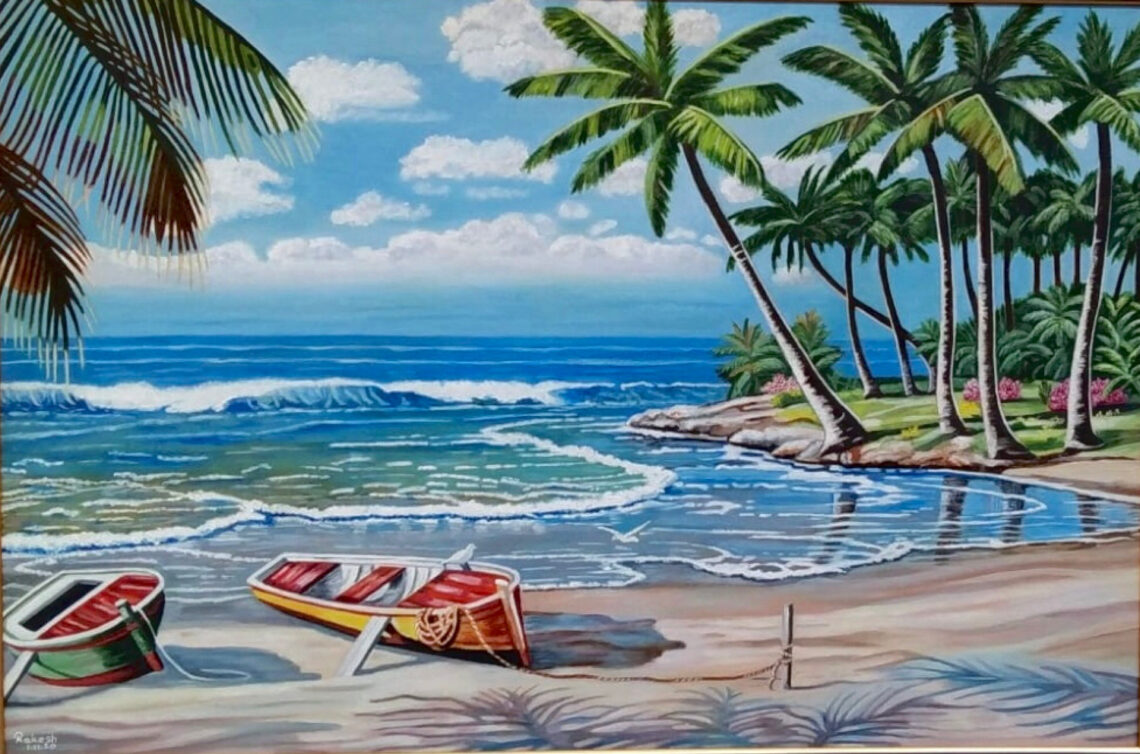
Beach painting is an art form that allows artists to capture the calm, beauty, and energy of coastal landscapes. From soft golden sands to sparkling waves, rocky cliffs, and vibrant sunsets, beaches provide endless inspiration for painters. This art not only showcases the visual beauty of the sea but also evokes feelings of peace, nostalgia, and joy.
Whether you are a beginner exploring your creativity or an experienced painter seeking new inspiration, beach painting offers a way to practice color blending, perspective, and texture. In this article, we will explore beach painting techniques, materials, styles, and tips to help you create stunning artworks.
Why Beach Painting is Popular
Beaches have a universal appeal. They are places of relaxation, adventure, and connection with nature. Artists are often drawn to the beach because it provides a dynamic environment — the waves move, the sunlight changes, and the colors shift throughout the day. Painting a beach scene is not just about capturing what you see; it’s about capturing the feeling of the place.
Beach paintings can also be therapeutic. Many artists find that painting natural landscapes reduces stress and promotes mindfulness. Creating a beach painting can be an immersive experience, helping the artist feel as if they are walking along the shore, listening to the waves, and feeling the sand beneath their feet.
Materials Needed for Beach Painting
The materials you choose depend on the style and medium you prefer. Here are some common options:
- Canvas or Paper: High-quality canvas is ideal for acrylic or oil paints. Watercolor paper works best for watercolor beach paintings.
- Paints: Acrylics, watercolors, or oils are commonly used. Each medium has unique qualities. Acrylics dry fast and are versatile, oils offer rich textures and depth, while watercolors create soft and flowing effects.
- Brushes: A variety of brushes is useful, from fine-tipped for details to large flat brushes for broad strokes.
- Palette Knives: Great for adding texture to sand, rocks, or waves.
- Additional Tools: Sponges, masking tape, and even old toothbrushes can be used to create unique effects in beach scenes.
Techniques for Beach Painting
1. Layering
Start with a light base for the sky and water, then gradually build layers. Layering helps achieve depth and realism, especially in areas like the sea where colors change gradually.
2. Blending
Smooth blending of colors can replicate the transition from sky to horizon or the soft gradient of a sunset. Acrylics can be blended with a wet brush, while oils naturally blend more easily due to their slow drying time.
3. Texture
Texture is important for making sand, rocks, and water realistic. You can use thick paint or a palette knife for sandy textures, or gentle brush strokes for smooth waves.
4. Light and Reflection
Beaches are full of light and reflections. Observe how sunlight hits the water and sand, creating highlights and shadows. Capturing these details can make your painting more lifelike.
5. Detailing
Add small details like shells, footprints, or seagulls to bring your beach painting to life. These details make the scene engaging and give it character.
Different Styles of Beach Painting
Realistic
Realistic beach paintings aim to replicate the scene exactly as it appears. This style focuses on accurate proportions, colors, and lighting.
Impressionistic
Impressionist beach paintings emphasize colors and light rather than fine details. Loose brush strokes convey movement and mood rather than realism.
Abstract
Abstract beach paintings focus on colors, shapes, and textures to express emotions. Waves might become sweeping lines, and sand might appear as textured layers of color.
Minimalist
Minimalist beach paintings simplify the scene, often using just a few elements and colors to create a calm and serene atmosphere.
Tips for Successful Beach Painting
- Observe Nature: Spend time on the beach or study photographs to understand light, waves, and sand textures.
- Practice Daily: Even small sketches or quick paintings help you improve your skills.
- Experiment with Colors: Don’t limit yourself to literal colors; try vibrant blues, pinks, or purples to evoke mood.
- Use Reference Photos: Reference images are helpful, especially if you can’t visit a beach often.
- Focus on Composition: Plan your painting’s layout. Decide on the horizon line, placement of objects, and perspective.
Benefits of Beach Painting
- Stress Relief: Painting can be meditative and calming.
- Creativity Boost: Beach scenes provide endless opportunities for creative expression.
- Skill Development: Working with water, sand, and sunlight helps develop technical skills in color blending, layering, and texture.
- Decorative Art: Finished paintings can beautify homes, offices, and galleries.
- Emotional Expression: Artists can convey feelings of joy, nostalgia, or peace through beach art.
Common Challenges and How to Overcome Them
- Capturing Water Movement: Waves are dynamic and can be tricky. Observe the water closely and use layering techniques for realism.
- Light Changes Quickly: The sun’s position changes shadows rapidly. Plan your painting or use photos to maintain consistency.
- Balancing Detail and Simplicity: Too much detail can overwhelm the painting. Focus on key elements and suggest details rather than painting every grain of sand.
Conclusion
Beach painting is a rewarding and versatile art form that lets artists capture the serenity, beauty, and energy of coastal landscapes. By understanding materials, techniques, and styles, both beginners and experienced artists can create stunning representations of the shore. Beyond skill development, beach painting also provides emotional satisfaction, allowing artists to express their love for nature and the calming influence of the sea.
Whether your style is realistic, impressionistic, abstract, or minimalist, painting a beach scene is a journey of creativity and personal expression. The next time you visit the beach, take inspiration from the waves, sand, and sky — and bring that beauty to life on your canvas.
FAQs
Q1: Can beginners try beach painting?
Yes! Beach painting is suitable for beginners. Start with simple sketches, focus on colors, and gradually experiment with techniques.
Q2: Which paint is best for beach scenes?
Acrylics are versatile and quick-drying, oils offer depth and texture, while watercolors give soft and flowing effects. Choose based on your preference.
Q3: How can I create realistic water in my painting?
Use layering, blending, and highlights to capture water reflections and movement. Observing real waves or reference photos helps a lot.
Q4: Do I need to paint on location at the beach?
Not necessarily. Many artists use photos or memories for reference. Painting on location can be inspiring but isn’t required.
Q5: How can I make sand textures realistic?
Use thick paint, palette knives, or textured brushes. Small strokes and layering different shades of sand color enhance realism.