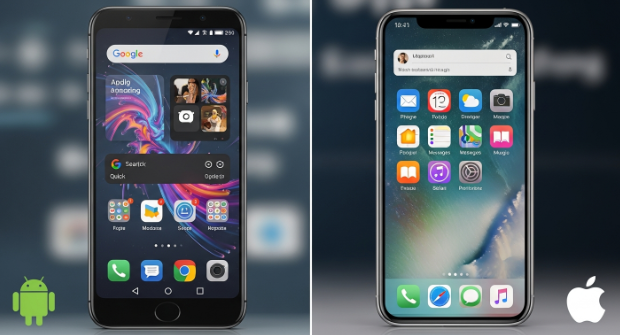
Choosing between iPhone vs Android feels like picking a side in a long-running tech rivalry. Both offer powerful features, smooth performance, and modern ecosystems. Yet, users often struggle to decide which platform fits their daily needs more. This guide delivers a deeply researched comparison with clear breakdowns, helpful insights, and structured reasoning. You’ll understand every strength and weakness without confusion.
Power users demand control, creators value camera reliability, and everyday users want smooth performance. Both systems deliver excellent results in different ways. Throughout this article, we compare iPhone vs Android across performance, customization, security, pricing, apps, and long-term value. You’ll discover which platform wins based on your personal needs.
iPhone vs Android Performance
Performance matters first because speed affects everything. iPhones integrate hardware and software under one brand. Android works across many manufacturers, which means performance depends on model and chipset. Benchmark tests often favor iPhones in sustained speed and graphics power. Android excels by offering choices from mid-range to ultra-premium processors.
User Interface and Usability: iPhone vs Android Experience
Navigation feels different on each platform. iPhone focuses on simplicity, smooth gestures, and uniform menu layouts. Android gives more control with home screen widgets, launcher replacements, and custom toggles. Casual users appreciate Apple’s consistency. Tech enthusiasts enjoy Android’s freedom to redesign layouts, icons, and system behaviors.
Design and Build Quality Comparison
Smartphone design influences comfort and durability. iPhones use premium metal-glass frames with tight build tolerances. Android offers variety: vegan leather, foldable displays, curved edges, or rugged builds. Design freedom lets users match their lifestyle. However, consistency across iPhone generations makes accessory compatibility better and reliable.
Display Technology in iPhone vs Android
Display quality shapes the viewing experience. Android leads with high refresh rates, QHD+ resolution options, and folding screen technology. iPhones deliver accurate color calibration, strong brightness levels, and adaptive refresh stability. Both look excellent for gaming, streaming, and photo viewing. Users who prefer advanced display innovation often lean Android.
Camera System Breakdown
Photography lovers compare camera results first. iPhones dominate in natural color tones, video stabilization, and cinematic processing. Android stands out with zoom capability, night photography enhancements, and AI image boosting. Both platforms produce beautiful results. Choosing depends on whether you prefer realistic tones or enhanced aesthetic output.
Battery Life and Charging
Battery performance remains essential for heavy users. Many Android phones provide larger batteries and faster charging. iPhones compensate with efficient chipsets and strong battery optimization. Long usage often remains close on high-end models. Power users who prioritize fast charging choose Android. Those who value reliability choose iPhone.
Security and Privacy Differences
Security separates these platforms clearly. iPhones operate inside a strict system with controlled app permissions and locked firmware. Android remains open, which invites flexibility and risk. Frequent updates enhance Apple’s safety posture. Android improves with secure enclaves and Google Play protection. Security-focused users lean toward iPhone.
App Store vs Google Play
App quality influences daily productivity and entertainment. iPhone apps receive early releases with optimized performance, especially for creative tools. Google Play holds a larger variety with niche tools, utilities, and emulator support. Both platforms support millions of applications. Creative professionals favor Apple’s ecosystem. Custom tool users prefer Android.
Integration and Ecosystem Value
Strong ecosystems boost convenience. Apple links Mac, Apple Watch, AirPods, and iMessage inside one unified network. Android works across many brands, enabling flexible integration with wearables, cars, smart TVs, and cloud services. Apple wins in seamless sync. Android wins in device diversity and platform openness.
Gaming and Graphics Capability
Gamers appreciate smooth frame rates, thermal control, and storage flexibility. iPhone chips often outperform in GPU efficiency. Android supports external cooling accessories, SD card storage, and high refresh displays. Mobile gamers choose based on game libraries and device features. Apple leads in premium performance. Android leads in gaming options.
Price Comparison: Which Offers Better Value
Pricing plays a major role in decision-making. Apple focuses on premium segments with long-support devices. Android covers every price tier including budget, mid-range, flagship, and foldable categories. Users with tight budgets find more value in Android. Users planning long life-cycle ownership value iPhones.
Customization Options in iPhone vs Android
Customization changes how a phone feels. Android allows deep system changes including themes, advanced launchers, gesture mapping, and automation. iPhone recently added widgets and lock screen styling, but customization remains limited. Power tweakers clearly prefer Android. Minimalist users feel comfortable within Apple’s controlled environment.
Software Updates and Longevity
Longevity determines overall investment value. Apple supports devices for many years with consistent rollout updates. Android updates depend on manufacturers, carriers, and region. Premium Android devices improve update cycles. iPhone remains more dependable for long-term security patches, feature updates, and app support durability.
Cloud Storage and Sync Features
Storage expands digital convenience. iCloud integrates smoothly across Apple devices, keeping files synced with minimal setup. Android allows multiple cloud providers such as Drive and Photos. Flexibility benefits users with mixed-platform workflows. Uniformity benefits Apple-only users. Sync preferences should guide your choice.
Voice Assistants and AI Features
AI changed smartphone interactions. Siri focuses on privacy and device-level processing. Android leverages Google Assistant for advanced search, automation, and conversational tasks. Assistant often understands contextual language better. Siri improves continuously with better on-device interpretation. AI power users may benefit more from Android.
Accessories and Third-Party Support
iPhones receive extensive accessory ecosystems including MagSafe, cases, docks, and premium audio devices. Android supports universal accessories but lacks uniform magnetic ecosystems across brands. Variety exists, standards differ. iPhone leads in unified accessory design. Android wins in open accessory affordability.
Which One Should You Buy
Choosing between iPhone vs Android depends entirely on your lifestyle. Users who want closed-system security, long support, and polished usability should pick iPhone. Users who demand customization, hardware freedom, and price flexibility should pick Android. Both platforms shine in unique ways.
Conclusion
After this in-depth comparison, you can confidently decide between iPhone vs Android. Both deliver smooth experiences, powerful hardware, and modern features. Your choice must follow your preferences, workflow, and budget. Start by listing your must-have features. Then select the device that aligns with your digital habits.
FAQs
1. Which lasts longer, iPhone or Android?
iPhones typically receive updates longer, giving them extended usable life.
2. What OS is easier for beginners?
iPhones feel easier due to consistent interface design.
3. Which platform offers better camera quality?
iPhones excel in video, Android leads in zoom and night shots.
4. Which is better for gaming?
iPhone often performs faster, Android offers more device choices.
5. Is Android more customizable?
Yes. Android allows deeper interface and system customization.