Key Takeaways
- Paint Protection Film (PPF) preserves your vehicle’s finish and resale value by shielding paint from damage.
- Important considerations when choosing PPF include thickness, clarity, self-healing properties, and UV resistance.
- Top-rated PPF brands offer industry-leading protection, aesthetic options, and dependability with robust warranties.
- Professional installation and routine maintenance are crucial for maximizing PPF longevity and performance.
Table of Contents
Understanding Paint Protection Film (PPF)
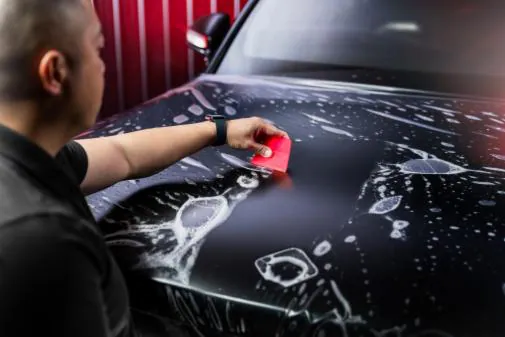
Paint Protection Film (PPF) is a nearly invisible urethane layer applied to a vehicle’s exterior, acting as a resilient barrier against rock chips, scratches, and other road hazards. Importantly, PPF maintains your car’s flawless finish and protects its value, making it an investment in the vehicle’s long-term appearance. For those looking to pair PPF with the latest in surface protection, ceramic coating for cars in Katy, TX, offers an additional layer of gloss and defense, complementing the film’s effectiveness.
The primary benefit of PPF lies in its ability to absorb minor impacts and repel environmental contaminants, such as bird droppings and tree sap, which can otherwise etch into the paint. By keeping paint free from blemishes, PPF not only upholds the car’s showroom-ready look but also contributes to a higher resale price should you choose to upgrade or sell.
In today’s market, PPF is available in both gloss and matte finishes, giving you the freedom to enhance or alter your vehicle’s visual character. Choosing between these options allows you to achieve a custom look while still benefiting from robust protection. Installation quality is paramount, which is why working with accredited professionals ensures seamless results and long-lasting film adherence.
Key Factors to Consider When Selecting PPF
Thickness and Durability
The most effective PPFs range from 6 to 10 mils in thickness. Thicker films withstand rock impacts and abrasions better, but they can be less pliable, making them tricky to apply to vehicles with sharp curves or intricate body lines. A balanced approach, choosing a film thick enough for protection yet flexible for coverage, is ideal for optimal performance and appearance. Many car owners also combine PPF with a professional automotive ceramic coating near me to maximize durability and maintain that showroom-quality finish over time. These protective layers not only shield the paint from physical damage but also make cleaning and maintenance much easier. Over time, this combination helps preserve the car’s resale value while keeping it looking fresh and polished.
Clarity and Finish
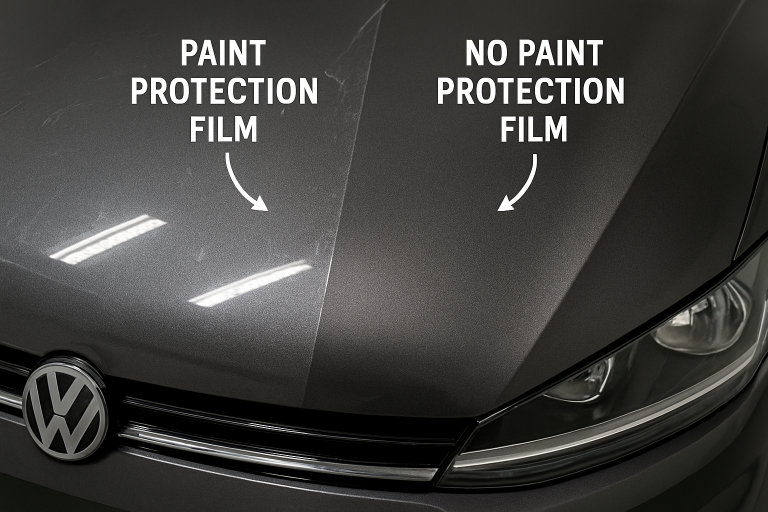
Premium PPF should be crystal clear, virtually invisible to the naked eye. While a gloss finish preserves the factory paint’s shine, matte options offer a modern satin sheen—an increasingly popular choice among enthusiasts. The right clarity ensures that protection never comes at the expense of your car’s style.
Self-Healing Properties
Modern PPF often includes advanced self-healing technology, enabling minor scratches and swirl marks to vanish with heat from sunlight or warm water. According to a detailed Forbes article on paint protection film, these innovations play a crucial role in slowing down a car’s aging process and preserving its pristine appearance over time. This feature significantly reduces the need for frequent maintenance, keeping the film looking new for longer and helping the vehicle maintain its visual appeal.
UV Resistance and Hydrophobicity
High-quality films are infused with UV inhibitors to prevent paint color fading and film yellowing from sun exposure. Many PPFs also have a hydrophobic topcoat, which causes water, dust, and grime to bead off the surface, simplifying wash routines and prolonging the film’s clarity and clean appearance.
Installation and Warranty Considerations
Expert installation is critical for the best PPF results. Certified technicians use precision techniques to avoid common pitfalls like bubbling or uneven edges, ensuring the film’s adhesion and transparency. Highly reputable PPF manufacturers offer warranties between 5 and 10 years, typically covering defects such as discoloration, peeling, or film cracking. Always read warranty terms closely and understand any aftercare guidelines to maintain your coverage and the film’s performance.
Maintaining Your PPF
Keep your Paint Protection Film in peak condition through consistent maintenance. Wash your car by hand every 1 to 2 weeks with pH-neutral, automotive-specific soap and soft microfiber towels. Avoid abrasive cleaners or automated car washes, as these can mar the film’s finish. Regular care not only extends the life of PPF but also helps your vehicle always look its best.
Conclusion
Choosing the right Paint Protection Film involves assessing critical factors such as thickness, clarity, self-healing capacity, and UV protection. Trusted brands like XPEL, 3M, and Avery Dennison offer technology-driven solutions tailored to diverse needs and preferences. Ensure your investment pays off by choosing professional installation and following recommended maintenance routines. With the right approach, PPF safeguards your car’s style, value, and pride of ownership for years to come.