Key Takeaways
- Thorough inspections and detailed record reviews safeguard your investment.
- Understanding the truck’s history and future expenses helps you budget wisely.
- A suitability assessment ensures that the chosen model matches your needs and usage.
- Preparation for negotiations improves the odds of securing a fair deal.
Table of Contents
Purchasing a used truck can be a savvy financial move, offering significant cost savings compared to new models while providing robust capabilities for work, play, or daily transportation. However, successfully navigating the used truck market requires careful research and attention to detail. Whether you’re looking for the best deal on local trucks near me or aiming to avoid costly mistakes, following a systematic approach will help you find a reliable vehicle that meets your needs.
Critical considerations such as the truck’s mechanical integrity, accident history, and suitability for your workload all play significant roles in ensuring long-term satisfaction. While a lower purchase price is tempting, the actual value of a used truck lies in its ability to provide efficiency and dependability over the years of ownership. By prioritizing due diligence, you can confidently make an informed decision that protects your investment and secures lasting performance.
Many buyers overlook key factors such as ongoing maintenance costs, proper documentation, and the importance of personalized test drives. Addressing these details during your search drastically reduces risks, helping you spot hidden problems and negotiate from a position of knowledge. Use this comprehensive guide to structure your search, clarify your priorities, and move forward with confidence.
With the proper preparation and attention to key factors, purchasing a used truck can be a rewarding and straightforward process. Explore our breakdown below to ensure you cover all critical aspects—from condition assessments to closing the deal—before driving your chosen truck home. For additional tips on smart vehicle purchases and common red flags, check trusted sources like Consumer Reports’ used car buying guide.
Conducting a Comprehensive Physical Inspection
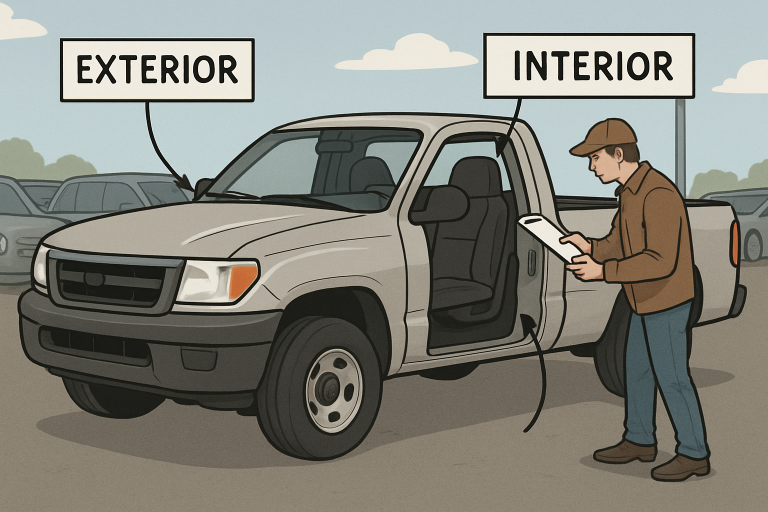
Begin your journey with a meticulous walk-around of the truck. Check every exterior panel for dents, scratches, rust, or any paint irregularities that might suggest repaired damage. Pay special attention to the frame and undercarriage, especially in areas where roads are salted in winter. Rust in these places can threaten the truck’s longevity and safety. Step inside and inspect the seat upholstery, dashboard, and controls. Excessive wear may indicate high mileage or neglect, while a clean, well-maintained interior can suggest an attentive previous owner.
Reviewing the Vehicle’s History and Maintenance Records
Always request a full vehicle history report before finalizing any purchase. This document should outline accidents, flood damage, odometer discrepancies, and the overall title status. Many reputable online services provide this information if you have the truck’s VIN. Consistently updated maintenance logs are a strong indicator that the car has been well-maintained and not subject to neglect or deferred repairs. Conversely, missing or sketchy records may signal unresolved issues or an attempt to conceal past faults. Regularly serviced vehicles tend to offer greater dependability and fewer unpleasant surprises down the road.
Assessing Mechanical Components
Enlist a trusted, certified mechanic to inspect the mechanical systems before you buy. Skilled professionals will evaluate the engine for abnormal noises, leaks, or exhaust smoke. The mechanic will also check the transmission, verifying that gear changes are smooth and there’s no sign of slipping or hesitation. Evaluate the brakes for proper responsiveness, and ensure the suspension and steering components offer stable, controlled handling. Spotting issues in these critical systems upfront can save thousands in unforeseen repairs later. For more advice on what to probe during vehicle inspections, visit the National Highway Traffic Safety Administration’s guide on used vehicle inspection.
Evaluating Suitability for Your Needs
Match the prospective truck’s capabilities to your lifestyle or job requirements. Do you need to tow a trailer or haul heavy equipment? Confirm that the vehicle’s towing and payload ratings cover your anticipated loads. Determine whether a regular, extended, or crew cab is the most suitable option, considering the number of passengers you typically transport. Consider the bed size and whether you need four-wheel drive for rugged terrain. Also, factor in fuel economy—especially relevant for those who plan to use the truck as a daily driver or for long commutes. Selecting a truck tailored to your specific usage can improve satisfaction and productivity for years to come.
Understanding Total Cost of Ownership
Looking beyond the sticker price will help you avoid budget surprises. Factor in regular maintenance, projected repair costs, insurance premiums, registration fees, and fuel expenses. Research the model’s reliability using resources like J.D. Power’s reliability rankings or manufacturer reports, which highlight common issues and expected lifespans for major components. An economical choice now may lead to expensive problems if a particular model has a history of transmission or engine failure, or retain value and be less costly in the long term if it earns high durability ratings.
Performing a Test Drive
A test drive is invaluable for assessing the vehicle in real-world conditions. Commit to a route that includes highways, city streets, and rougher surfaces where possible. Feel for responsive acceleration and smooth shifting, check that the brakes are strong and consistent, and listen for any unusual noises from the engine or suspension. Monitor for vibrations, odd smells, or dashboard warning lights as well. This is your opportunity to ensure the truck not only looks good on paper but also delivers solid performance where it matters most.
Negotiating the Purchase
Arrive at the negotiating table equipped with your inspection report, vehicle history, and market comparisons. Refer to any discovered concerns as leverage when discussing the price. Be sure to factor in the cost of any required repairs or missing maintenance to justify a lower offer. Conversely, if the vehicle is in outstanding condition and has been thoroughly documented, recognize that the asking price may be justified. Focus on transparency and fair value to reach an agreement that works for all parties.
Conclusion
Buying a used truck is a nuanced process that involves a combination of research, inspection, and negotiation. Careful attention to the vehicle’s physical and mechanical condition, combined with a deep understanding of your own needs and budget, ensures a wise investment. By following these essential steps, you maximize the odds of finding a truck that’s dependable, efficient, and well-suited to your life. The effort you put in now will pay off with years of reliable service and peace of mind on the road.