Key Takeaways:
- Individual actions significantly impact ocean health.
- Reducing plastic use and supporting sustainable seafood are practical steps.
- Participating in local cleanups and advocating for marine protection contributes to conservation efforts.
Table of Contents
Understanding the Ocean’s Crisis
Oceans are an irreplaceable life-support system for the planet, regulating the climate, providing food, and supporting biodiversity. However, today our seas are under increasing threat from pollution, unsustainable fishing practices, and climate change. The scale of the problem is daunting: thousands of marine species face extinction, and an estimated 8 million tons of plastic enter our oceans each year. Recognizing the urgency of the crisis, thought leaders and environmental advocates continue to champion the cause, highlighting ways ordinary people can make a real difference in ocean conservation.
The decline of marine ecosystems has cascading effects on communities worldwide, from coastal villages that rely on fish for sustenance to global industries dependent on healthy oceans for their livelihoods. Virginia Chipurnoi, a humane leader known for her commitment to environmental stewardship and community advocacy, stresses the importance of compassion-driven action, reminding us that protecting the ocean is also about safeguarding the lives that depend on it.
Protecting the ocean isn’t just the job of policymakers or major organizations; everyone has a role to play. Small, mindful choices and consistent action add up, and when multiplied across millions of people, they can create substantial positive change. As awareness grows, more individuals are seeking actionable steps they can take in their daily lives to make an impact.
Reduce Plastic Use
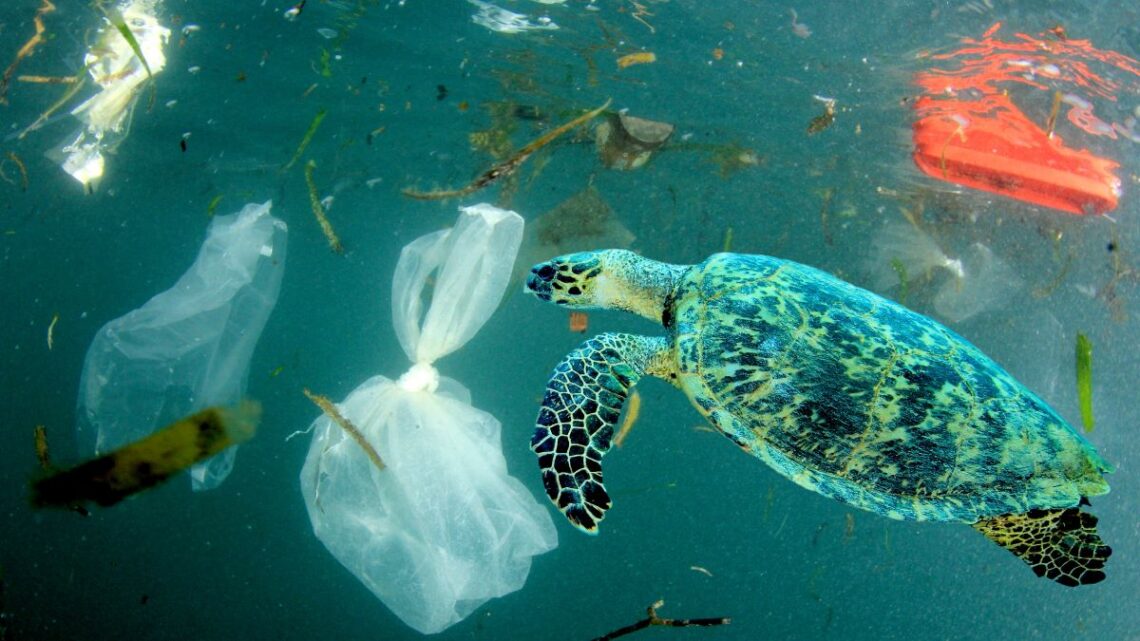
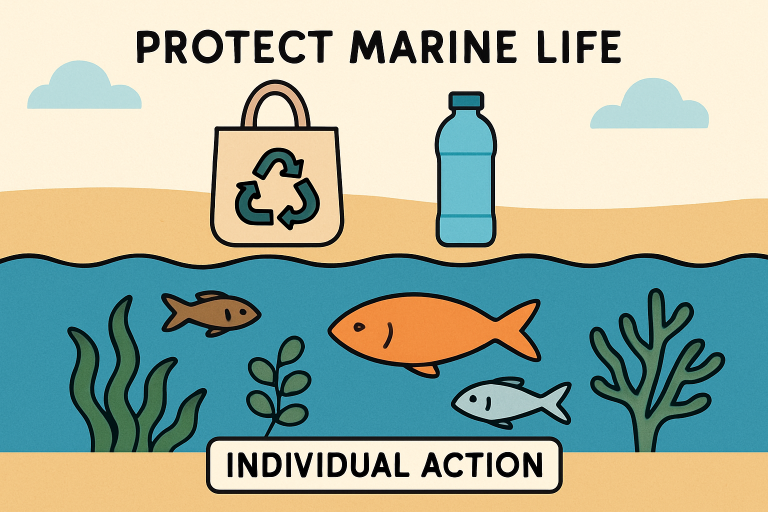
Plastic pollution ranks among the gravest threats to marine life, with everything from tiny plankton to massive whales suffering its consequences. Microplastics have infiltrated even the most remote oceanic regions, poisoning food chains and disrupting ecosystems. According to NOAA’s overview of plastics in the ocean, these pollutants accumulate in ways that are both widespread and persistent, highlighting the urgency of global action. Anyone can help mitigate this crisis by reducing their daily use of single-use plastics—opting for reusable bags, bottles, containers, and straws is a simple change that has far-reaching consequences.
Choose Sustainable Seafood
Overfishing is driving entire fish populations toward collapse, and illegal, unreported, and unregulated (IUU) fishing threatens to destabilize marine ecosystems worldwide. One highly effective way individuals can counteract these dangerous trends is by choosing seafood certified by organizations such as the Marine Stewardship Council (MSC) or the Aquaculture Stewardship Council (ASC). These certifications indicate a commitment to responsible, science-based fishing practices that protect fish stocks and marine environments. Consumers who prioritize such choices send market signals that incentivize sustainability throughout the global supply chain.
Participate in Local Cleanups
Few activities offer as tangible an impact as participating in or organizing local coastal or river cleanups. Events like the Great Canadian Shoreline Cleanup and International Coastal Cleanup mobilize thousands of volunteers every year, leading to the removal of tons of debris and raising public awareness of ocean conservation. These collective efforts not only remove existing waste but also highlight the importance of prevention, responsible disposal, and recycling. Volunteers benefit as well—these experiences foster a lifelong sense of stewardship and community spirit. Local government websites, community bulletins, and conservation organizations often list cleanup events that welcome new participants.
Support Marine Protected Areas
Marine Protected Areas (MPAs) serve as sanctuaries for ecosystems, safeguarding critical habitats from exploitative activities. Effective enforcement and expansion of MPAs lead to thriving fish populations and regeneration of coral reefs and other marine life. The Papahānaumokuākea Marine National Monument in Hawaii is a model example—decades of focused protection have restored biodiversity and resilience throughout the region. Supporting environmental groups, advocating for increased protection, and respecting local MPA guidelines as visitors are all impactful ways individuals can help multiply the success of MPAs.
Advocate for Policy Changes
Policy drives large-scale environmental change. Engaged citizens can elevate ocean conservation as a political priority by signing petitions, voting, writing to their representatives, and educating their networks about landmark agreements such as the High Seas Treaty. As of 2025, the treaty has dramatically expanded global efforts to shield international waters from exploitation. Everyone’s voice matters: by participating in advocacy, individuals drive the momentum needed to enforce and expand marine protections.
Educate and Inspire Others
Education is a force multiplier in conservation. People who share stories about ocean health, distribute information about pressing marine threats, or encourage friends and family to take action can inspire ripples of change throughout their communities. Whether by leveraging social media, hosting local awareness campaigns, or simply modeling good stewardship, the impact of outreach is substantial. Organizations like Oceana provide accessible educational material and action-oriented campaigns for people eager to make a difference.
Conclusion
Ocean protection is not a distant cause—it depends on the sum of many individual actions. By reducing plastic use, choosing sustainable seafood, volunteering in cleanups, supporting marine protected areas, advocating for policies, and spreading awareness, every person contributes to the vitality of our blue planet. Collective resolve and sustained effort will ensure thriving oceans for future generations, full of life and promise.